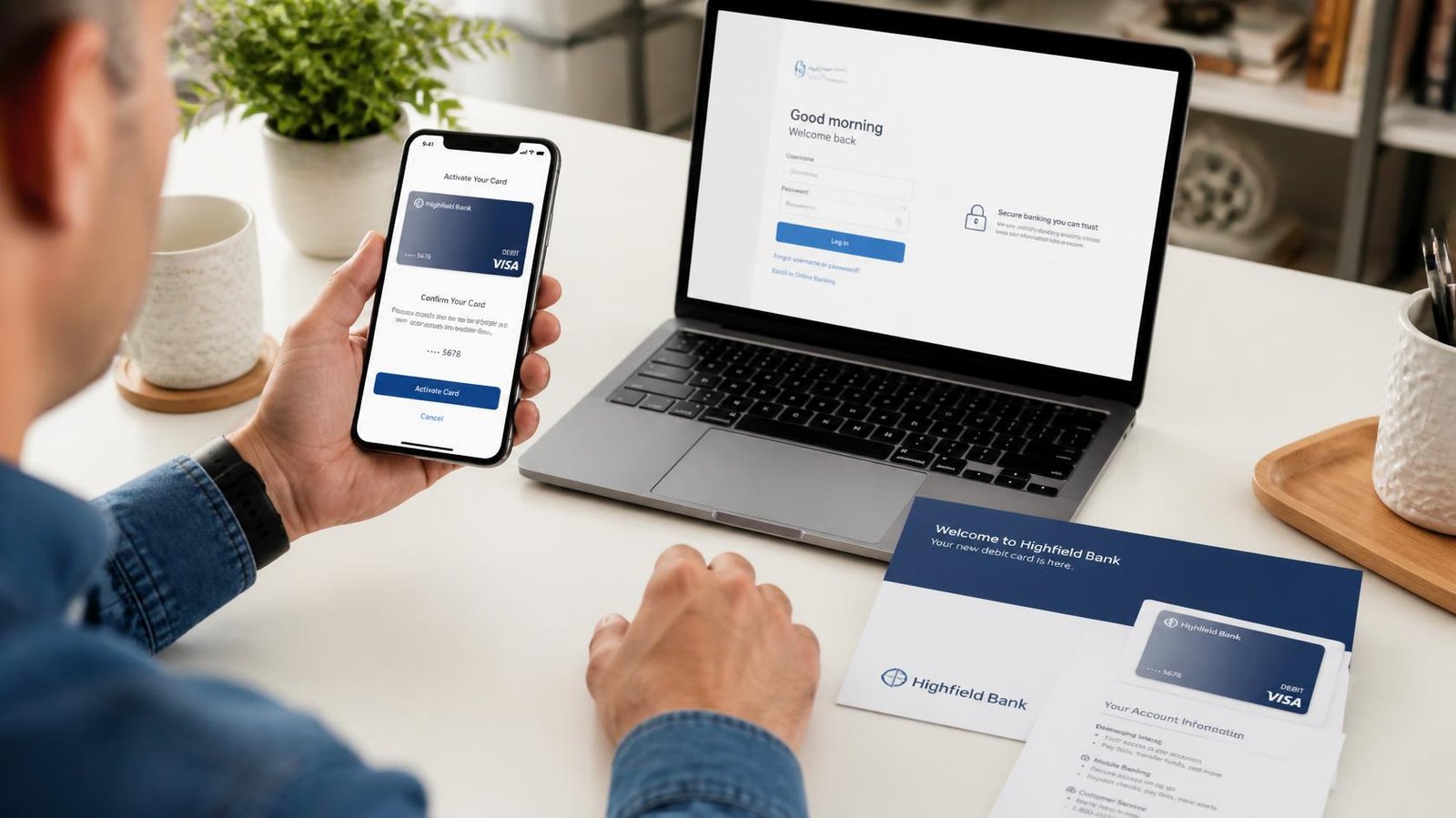
Opening a bank account is one of the first steps toward managing your finances. A bank account allows you to receive income, pay bills, save money, make purchases, and transfer funds securely. Whether you are opening your first account or switching to a new bank, understanding the process helps you avoid delays and choose the right account for your needs.
Many people believe opening a bank account is complicated. In most cases, the process is simple when you have the required documents and understand the bank’s requirements.This guide explains how to open a bank account step by step for beginners, including the documents you may need, how to compare banks, and what to expect during the application process
Why You Should Open a Bank Account
- A bank account provides a secure place to manage your money and access financial services.Benefits include:
| Benefit | Result |
|---|---|
| Secure money storage | Reduces the need to carry cash |
| Easy payments | Pay bills and shop online |
| Direct deposits | Receive salary and other payments |
| Savings opportunities | Build financial goals |
| Transaction records | Track income and expenses |
Understand the Different Types of Bank Accounts
- Before opening an account, choose the type that fits your financial needs.
| Account Type | Purpose |
|---|---|
| Checking Account | Everyday spending and bill payments |
| Savings Account | Saving money for future goals |
| Money Market Account | Saving with limited transactions |
| Certificate of Deposit (CD) | Long-term savings with fixed interest |
- Understanding each account type helps you make the right choice.
Step 1: Choose the Right Bank
- Compare several banks before making a decision.Consider:
- Monthly account fees
- ATM availability
- Branch locations
- Mobile banking features
- Customer service
- Interest rates on savings accounts
- Select a bank that matches your financial habits and goals.
Step 2: Choose the Right Account Type
Decide how you plan to use the account.
For example:
- A checking account for daily transactions
- A savings account for building savings
- Both accounts for managing spending and saving separately
- Choose an account that fits your financial plans.
Step 3: Gather the Required Documents
- Most banks ask for identification and personal information.
- Common requirements include:
- Government-issued photo ID
- Proof of address
- Date of birth
- Social Security Number or Tax Identification Number (where required)
- Initial deposit if required by the bank
- Requirements may vary depending on the bank and country.
Step 4: Complete the Application
- You can usually apply:
- Online
- At a local branch
- Through a mobile banking app
- Provide accurate information and review the application before submitting it.
Step 5: Make the Initial Deposit
- Some banks require an opening deposit.
- The required amount depends on the account type and the bank’s policies.
- If there is no minimum deposit requirement, you may still choose to fund the account immediately.
Step 6: Set Up Online and Mobile Banking
- After your account is approved, activate digital banking services.
- Set up:
- Mobile banking app
- Online account access
- Bill payments
- Account alerts
- Two-factor authentication
These tools make managing your account easier and more secure.
Step 7: Activate Your Debit Card
- If your account includes a debit card, activate it after receiving it.
- Follow the bank’s instructions to:
- Activate the card
- Set a PIN
- Enable transaction alerts
- Begin using the card for purchases and ATM withdrawals
Step 8: Monitor Your Account Regularly
- Check your account activity frequently.
- Review:
- Deposits
- Withdrawals
- Monthly statements
- Account balances
- Transaction history
- Regular monitoring helps identify errors or unauthorized activity quickly.
Common Mistakes to Avoid
- Avoid these common mistakes when opening a bank account:
- Choosing the first bank without comparing options
- Ignoring monthly maintenance fees
- Forgetting minimum balance requirements
- Not reading the account agreement
- Delaying online banking setup
- Sharing account information with others
- Ignoring account notifications
Tips for New Bank Account Holders
- Follow these habits after opening your account:
- Keep your contact information updated.
- Review your account statements each month.
- Enable security alerts.
- Use strong passwords for online banking.
- Deposit money regularly.
- Avoid overdraft fees.
- Keep your debit card secure.
- Monitor your spending.
Frequently Asked Questions
Can I open a bank account online?
- Yes. Many banks allow customers to complete the entire application process online.
Do I need an initial deposit?
Some banks require one, while others allow accounts to be opened without an opening deposit.
How long does it take to open a bank account?
- Many accounts are approved on the same day, while others may take a few business days depending on the bank and verification process.
Can I have more than one bank account?-
- Yes. Many people maintain both a checking account for daily expenses and a savings account for financial goals.