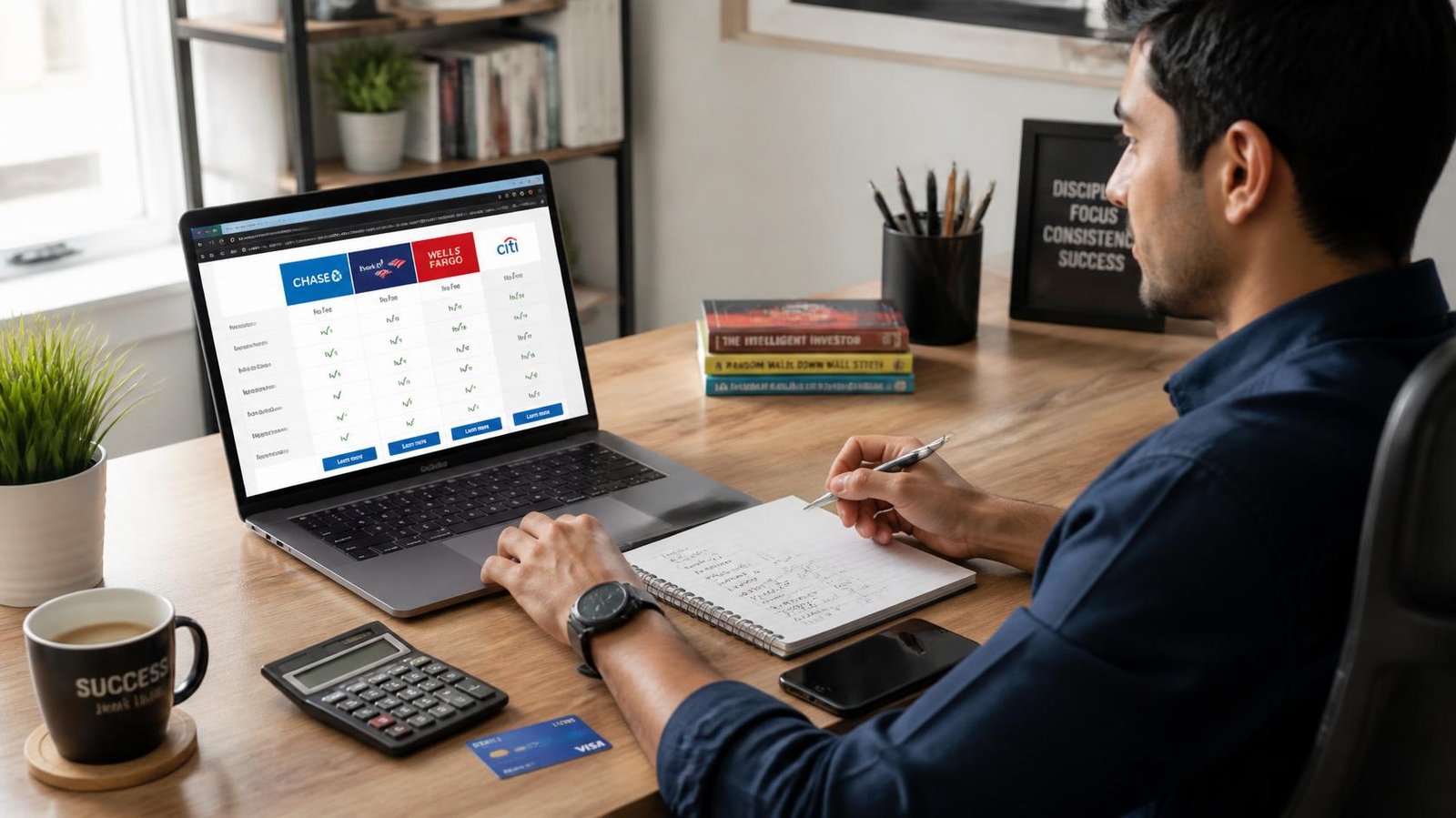
Choosing the right bank account is an important financial decision. The account you select affects how you manage your money, pay bills, save for future goals, and access banking services. With many banks offering different account types and features, comparing your options before opening an account can help you avoid unnecessary fees and choose services that match your financial needs.
- Many people open the first account they find without comparing costs or features. Taking time to understand different account types and banking services helps you make a better decision.
This guide explains how to choose the right bank account step by step and highlights the key factors you should consider before opening one.
Why Choosing the Right Bank Account Matters
- A suitable bank account helps you manage your finances more effectively.
- Benefits include:
| Benefit | Result |
|---|---|
| Easier money management | Better control of income and expenses |
| Lower banking costs | Reduced monthly fees |
| Convenient access | Easy deposits and withdrawals |
| Secure transactions | Better protection for your money |
| Financial planning | Supports saving and budgeting |
Understand the Different Types of Bank Accounts
- Before choosing an account, learn the purpose of each type.
| Account Type | Best For |
|---|---|
| Checking Account | Daily spending and bill payments |
| Savings Account | Saving money for future goals |
| Money Market Account | Saving with limited transactions |
| Certificate of Deposit (CD) | Long-term savings with fixed terms |
- Choose the account that matches how you plan to use your money.
Step 1: Identify Your Banking Needs
- Start by asking yourself how you will use the account.
- Consider:
- Receiving salary
- Paying monthly bills
- Saving money
- Online shopping
- Cash withdrawals
- International transfers
- Your financial habits determine which account features matter most.
Step 2: Compare Monthly Fees
Many bank accounts charge maintenance fees.
- Before opening an account, check for:
- Monthly service fees
- ATM fees
- Overdraft fees
- Foreign transaction fees
- Wire transfer fees
- Lower fees help you keep more of your money.
Step 3: Check Minimum Balance Requirements
- Some banks require customers to maintain a minimum balance.
- Ask:
- Is there a minimum opening deposit?
- Is there a required monthly balance?
- Are there penalties if the balance drops?
- Choose an account that fits your financial situation.
Step 4: Review Online and Mobile Banking Features
Modern banking should be convenient.
- Look for features such as:
- Mobile banking app
- Online bill payments
- Mobile check deposits
- Account alerts
- Instant transfers
- Secure login options
- Reliable digital banking makes managing money easier.
Step 5: Evaluate ATM and Branch Access
- Consider how often you need cash or in-person banking services.
- Check:
- Number of ATM locations
- ATM withdrawal fees
- Branch availability
- Customer service hours
- Convenient access saves time and reduces extra costs.
Step 6: Compare Interest Rates
- If you plan to save money, compare interest rates on savings accounts.
- Higher interest rates help your savings grow over time.
- Also review:
- Interest calculation method
- Minimum balance for earning interest
- Interest payment schedule
Step 7: Review Security Features
Choose a bank that offers strong account protection.
- Important security features include:
- Two-factor authentication
- Fraud monitoring
- Transaction alerts
- Secure mobile banking
- Card locking features
- Security helps protect your money from unauthorized access.
Step 8: Read the Terms and Conditions
- Before opening an account, review the account agreement carefully.
Pay attention to:
- Account fees
- Withdrawal limits
- Deposit policies
- Account closure rules
- Overdraft policies
- Understanding the terms helps prevent unexpected charges.
Common Mistakes to Avoid
- Avoid these common mistakes when choosing a bank account:
- Opening an account without comparing banks
- Ignoring monthly fees
- Overlooking ATM charges
- Choosing features you do not need
- Forgetting minimum balance requirements
- Not reviewing security options
- Skipping the account agreement
Tips for Choosing the Best Bank Account
- Follow these practices before making your decision:
- Compare several banks.
- Review all account fees.
- Choose digital banking features that match your needs.
- Check customer service availability.
- Consider ATM and branch access.
- Read account terms carefully.
- Select an account based on your financial goals.
- Review your banking needs regularly.
Frequently Asked Questions
What type of bank account should I open?
It depends on your needs. A checking account is suitable for daily transactions, while a savings account is designed for storing money for future goals.
Should I choose a bank with no monthly fees?
- If possible, yes. Lower fees help you keep more of your money.
Is online banking important?
- Yes. Online and mobile banking make it easier to manage your account, pay bills, and monitor transactions.
How many bank accounts should I have?
- Many people use one checking account for everyday spending and one savings account for long-term financial goals.