
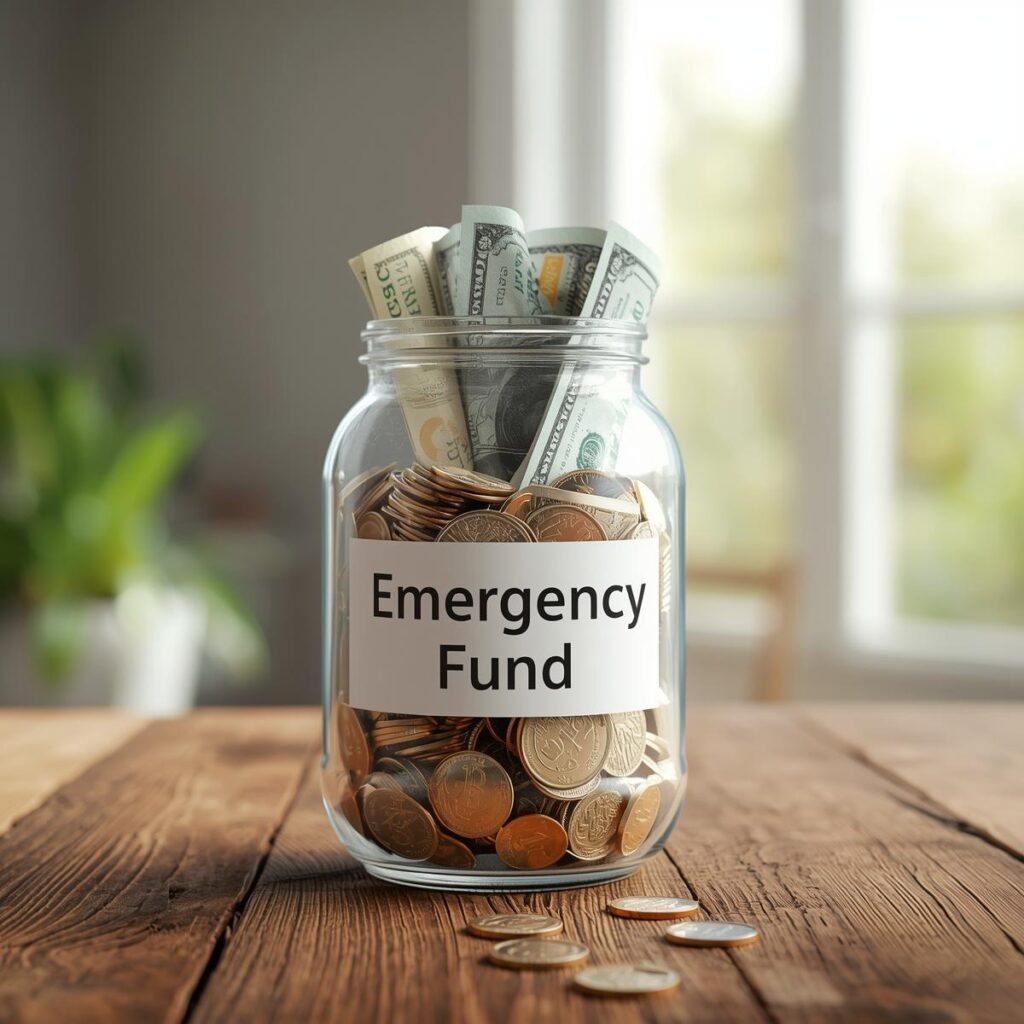

An emergency fund is a financial reserve set aside to cover unexpected expenses. It acts as a buffer between you and financial disruption. Without an emergency fund, sudden expenses often lead to debt. With an emergency fund, you can manage financial shocks without borrowing.
This guide explains what an emergency fund is, why it matters, how much you need, where to keep it, and how to build it step by step.
What Is an Emergency Fund?
An emergency fund is money saved specifically for unplanned financial events. It is not for vacations, shopping, or planned purchases. It is reserved for situations such as:
- Job loss
- Medical expenses
- Car repairs
- Home repairs
- Urgent travel
- Essential bill payments during income disruption
The purpose of an emergency fund is protection. It reduces reliance on credit cards and loans when unexpected costs arise.
Why an Emergency Fund Is Necessary
Life includes financial uncertainty. Income can change. Expenses can increase. Emergencies can occur without warning.
An emergency fund helps you:
- Avoid high-interest debt
- Maintain financial stability
- Protect long-term savings
- Continue paying essential bills
- Reduce financial stress
Without savings, many individuals rely on credit. Interest charges then increase financial pressure. An emergency fund prevents this cycle.
How Much Should You Save?
The amount needed depends on income stability, monthly expenses, and personal circumstances.
Standard Recommendation
Most financial planning frameworks suggest saving three to six months of essential living expenses.
Essential expenses include:
- Rent or mortgage
- Utilities
- Food
- Transportation
- Insurance
- Loan payments
- Basic household costs
This calculation excludes non-essential spending such as entertainment or luxury purchases.
Step 1: Calculate Your Monthly Essential Expenses
To determine your emergency fund target:
- Review your monthly budget.
- Identify essential expenses only.
- Add them together.
For example:
- Housing
- Utilities
- Groceries
- Transportation
- Insurance
- Debt payments
If total essential expenses equal $2,000 per month, your emergency fund goal would be:
- Three months: $6,000
- Six months: $12,000
This range provides a financial cushion during income interruption.
When Three Months Is Enough
Three months of expenses may be sufficient if:
- You have stable employment
- You have dual household income
- You work in a field with strong job demand
- You have minimal debt
In these cases, income replacement risk may be lower.
When Six Months or More Is Better
Six months or more may be appropriate if:
- You are self-employed
- You have variable income
- You are the sole income provider
- You work in a volatile industry
- You have dependents
- You have significant financial obligations
Higher risk requires a larger financial buffer.
Emergency Fund for Freelancers and Entrepreneurs
If income fluctuates, consider saving six to twelve months of essential expenses. Variable income creates uncertainty. A larger reserve helps stabilize cash flow.
For freelancers:
- Calculate the lowest earning month from the past year.
- Base your emergency savings goal on that income level.
- Build a buffer to manage slow periods.
This approach reduces stress during income gaps.
Emergency Fund for Families
Families often face higher expenses and responsibilities.
Consider:
- Childcare costs
- Education expenses
- Medical costs
- Insurance premiums
Larger households may need closer to six months of essential expenses due to increased obligations.
Emergency Fund for Single Individuals
If you are single with no dependents, your required amount may be lower. However, job loss still creates risk. At minimum, aim for three months of essential expenses.
Where Should You Keep an Emergency Fund?
An emergency fund should be:
- Accessible
- Safe
- Separate from daily spending
Best storage options include:
- Savings accounts
- High-yield savings accounts
- Money market accounts
Avoid:
- Stocks
- Cryptocurrency
- Long-term investment accounts
Investments can decline in value. Emergency funds must remain stable and liquid.
Should You Invest Your Emergency Fund?
The primary purpose of an emergency fund is security, not growth. Because emergencies are unpredictable, funds should remain protected from market volatility.
A savings account provides:
- Capital preservation
- Liquidity
- Easy access
Return on investment is secondary to safety.
How to Start Building an Emergency Fund
If saving three to six months feels difficult, start small.
Step 1: Set an Initial Target
Begin with a short-term goal of one month of essential expenses. This first milestone builds momentum.
Step 2: Automate Savings
Set up automatic transfers from checking to savings each month. Treat savings as a fixed expense.
Step 3: Allocate Windfalls
Direct tax refunds, bonuses, or extra income toward your emergency fund.
Step 4: Reduce Non-Essential Spending
Review variable expenses and redirect unused funds to savings.
How Long Does It Take to Build an Emergency Fund?
The timeline depends on income and savings rate.
Example:
- Monthly savings contribution: $300
- Target emergency fund: $6,000
- Time required: 20 months
Increasing savings rate reduces the timeline.
Consistency matters more than speed.
What Qualifies as a Real Emergency?
Use your emergency fund only for necessary and unexpected events.
Valid emergencies include:
- Medical bills
- Essential home repairs
- Urgent vehicle repairs
- Job loss
- Essential travel due to family events
Non-emergencies include:
- Sales promotions
- Vacations
- Upgrading electronics
- Dining out
Clear rules prevent misuse.
Rebuilding After Using the Fund
If you withdraw money for an emergency:
- Pause non-essential spending.
- Adjust your budget temporarily.
- Resume automatic transfers.
- Rebuild the fund as a priority.
An emergency fund should be restored before increasing discretionary spending.
Emergency Fund vs. Sinking Fund
An emergency fund covers unexpected expenses.
A sinking fund covers planned expenses such as:
- Holidays
- Insurance renewals
- Property taxes
- Travel
Separating these funds prevents confusion and protects emergency savings.
Common Mistakes to Avoid
- Saving too little
- Mixing emergency funds with daily spending
- Investing emergency savings in volatile assets
- Using funds for non-essential purchases
- Ignoring inflation when calculating expenses
Avoiding these mistakes preserves financial protection.
Emergency Funds and Debt
If you have high-interest debt, balance repayment with emergency savings.
Recommended approach:
- Build a small emergency fund of one month expenses.
- Focus on paying high-interest debt.
- Expand emergency savings to three to six months after debt is reduced.
This approach prevents new debt accumulation.
Inflation and Emergency Funds
As living costs increase, your emergency fund target should be adjusted.
Review your expenses annually. If essential costs increase, raise your emergency savings goal accordingly.
Psychological Benefits of an Emergency Fund
Financial protection provides stability.
Benefits include:
- Reduced financial stress
- Increased confidence in decision making
- Greater flexibility in career choices
- Protection from unexpected disruptions
Financial security supports long-term planning.
Emergency Fund and Job Loss Planning
Job loss is one of the most common financial disruptions.
An emergency fund allows you to:
- Cover rent or mortgage
- Maintain utilities
- Continue insurance coverage
- Search for new employment without pressure
Without savings, job loss may lead to high-interest borrowing.
Emergency Fund and Retirement Planning
An emergency fund protects retirement accounts.
Without separate savings, individuals may withdraw from retirement funds during emergencies. Early withdrawals may include penalties and taxes.
Maintaining separate reserves protects long-term investments.
Reviewing Your Emergency Fund Annually
At least once per year:
- Recalculate essential expenses.
- Review savings balance.
- Adjust contribution amounts.
- Increase target if income rises.
Regular reviews ensure adequate coverage.
Emergency Fund for Different Life Stages
Early Career
Focus on building at least three months of expenses.
Mid-Career
Increase target if family responsibilities grow.
Near Retirement
Maintain sufficient reserves to avoid withdrawing from investments during market declines.
Each stage requires evaluation of risk and responsibility.
How Emergency Funds Support Financial Independence
Financial independence depends on preparation.
An emergency fund:
- Reduces reliance on debt
- Protects investments
- Supports career transitions
- Provides stability during uncertainty
It forms a core pillar of personal financial planning.
Final Thoughts: How Much Do You Really Need?
The correct emergency fund amount depends on your personal situation. As a baseline, aim for three to six months of essential living expenses. Increase this target if income is unstable or responsibilities are higher.
Start by calculating essential expenses. Set an initial goal of one month. Build gradually. Automate savings. Keep funds separate and accessible.
An emergency fund is not optional. It is a financial safeguard that protects income, savings, and long-term goals.
Once established, it creates stability in uncertain situations and forms the foundation for stronger financial growth.